
A classroom pilot can generate plenty of activity without answering whether students learned anything useful. Before distributing logins, decide what you want learners to understand or do better.
Choose a Small Learning Goal
Use a task that teachers can observe: explaining a reasoning step, improving a draft or identifying weak evidence. Avoid a goal as broad as making lessons more engaging unless you also define what evidence would support it.
Write a short baseline exercise before introducing the tool. Keep the difficulty appropriate and use the same criteria when reviewing later work. This is a practical evaluation approach, not a substitute for formal educational research.
Decide Where Assistance Is Allowed
Students need to know which parts of an activity they should complete themselves and where assistance is permitted. A tool that suggests a question plays a different role from one that supplies a finished answer. Make that distinction visible in the assignment instructions.
Google's Classroom guidance advises educators to check and refine generated material rather than treating it as a replacement for their expertise. Google Classroom guidance for educators Whatever platform a school uses, the teacher should remain able to explain why an activity fits the lesson.
Watch the Student's Explanation
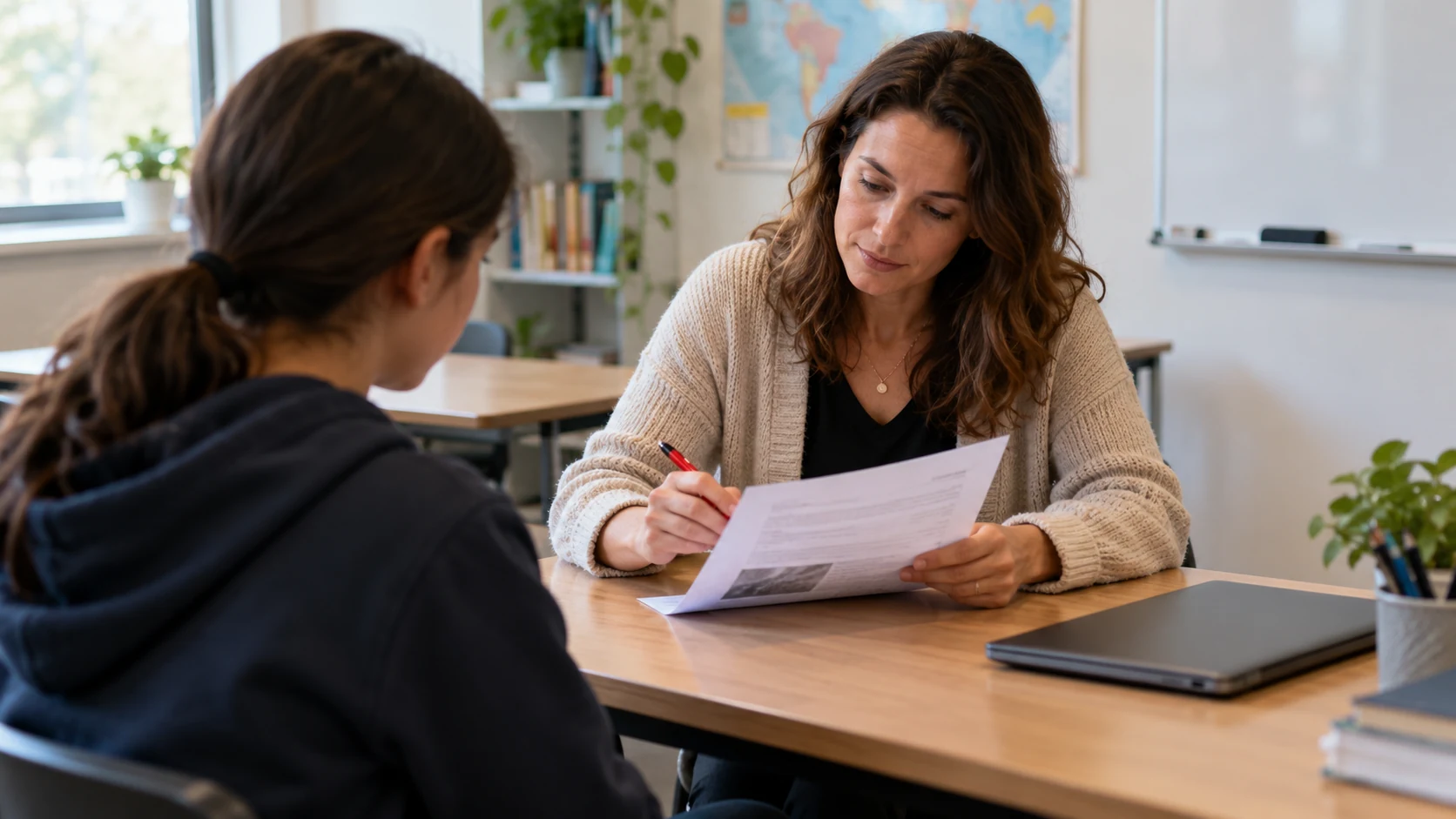
Ask learners to describe how they reached an answer and which suggestions they accepted or rejected. A polished final paragraph can hide uncertainty. A short conversation about the work may reveal more than the appearance of the submitted document.
Include students with different access needs in the pilot. Check whether the interface, language and device requirements make the activity harder for some participants. Provide an appropriate alternative when the technology is unavailable or unsuitable.
Review the Costs of Supervision
Record the teacher time spent preparing prompts, checking outputs and helping students use the system. Compare that effort with the value of the activity. Also follow institutional rules on accounts, age eligibility and student information.
At the end, decide whether to continue, adjust or stop. A pilot has done useful work when it answers a clear question—even if the answer is that a simpler teaching method works better for this particular lesson.