
A quality check that works on one production line is useful. A quality check that can be introduced reliably across many lines presents a different challenge.
Siemens and Procter & Gamble addressed that second problem in a September 16, 2026 announcement, outlining a wider rollout of their AI-based inspection system across P&G manufacturing operations.
What Is Being Rolled Out
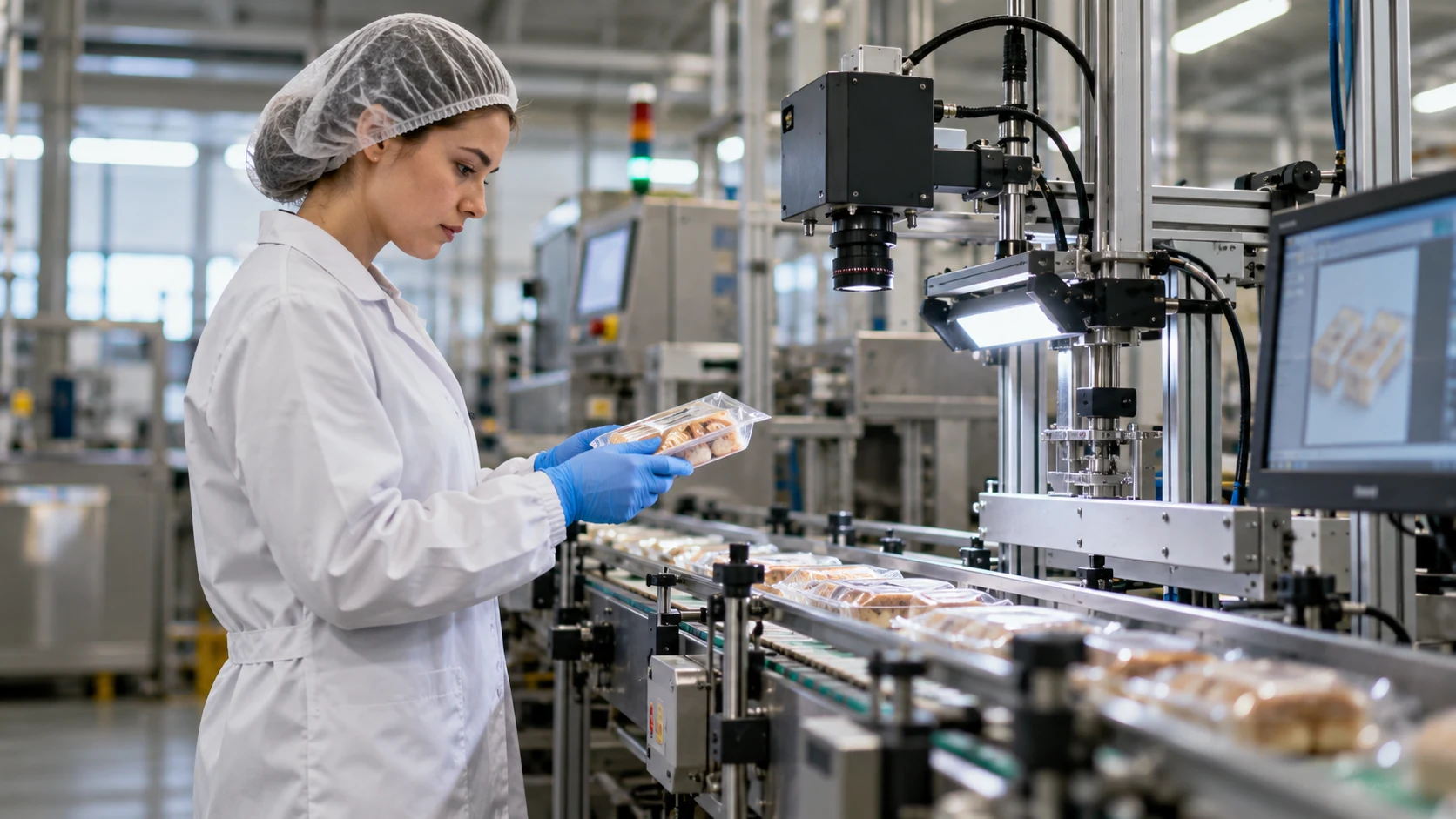
The system, called Visual Inspection Cockpit, combines P&G's deep learning models with Siemens' Industrial Edge platform and industrial computing equipment. Siemens says it is designed to inspect products during high-speed manufacturing, including materials that can stretch, wrinkle or change position. Siemens and P&G announcement, September 16, 2026
The companies report scrap reductions of 10–20%, depending on the product, and commissioning that is five to ten times faster than traditional bespoke vision systems. These figures come from the announcement; they should not be read as independently confirmed results across every P&G plant. Siemens and P&G announcement, September 16, 2026
The release also describes processing inspection results near production equipment, with the ability to trigger actions such as alerts or product rejection. Siemens and P&G announcement, September 16, 2026
Why the Rollout Matters
TechFullNews analysis: The interesting business issue is repeatability. Building an inspection system for one carefully selected product is different from keeping it useful as packaging, lighting and production conditions change.
Consider a hypothetical packaging line that introduces a new design. A quality team must decide which changes are harmless and which indicate a defect. If every revision creates a long setup exercise, the maintenance workload can undermine the appeal of automated inspection.
A wider rollout therefore deserves to be judged on operational work as well as model performance. Who prepares the examples? Who approves a change? How does a plant recover if an update creates unexpected results?
Read the Savings With Their Context
A percentage reduction is most useful when the starting point is clear. Procurement teams should request the original scrap rate, the product being measured, the assessment period and any other changes made during that time.
The same applies to commissioning speed. A comparison needs to explain when the clock starts and stops. Installing equipment, collecting examples, training staff and completing production acceptance can involve different teams and different costs.
For a smaller manufacturer, the transferable lesson may be the rollout method rather than the exact percentage. A straightforward acceptance checklist and a named system owner can be more useful than a large target copied from another company's presentation.
Keep Operators in the Feedback Loop
An inspection alert should lead to a clear next action. A workable process gives production staff a way to report incorrect decisions and gives quality specialists responsibility for reviewing those reports.
Buyers considering similar technology should ask to see that feedback process during a trial. They should also agree on how the existing inspection method will remain available while the new approach is being assessed.
The announcement is a useful example of industrial AI moving beyond a single demonstration. The evidence that matters for another factory will still be its own product mix, quality requirements and ability to operate the system over time.